Last week, our team headed to Toronto for the 9th annual INMA Subscriptions Summit. With the theme “Re-Inventing the Funnel,” the week was a deep dive into how news media must adapt to a world increasingly shaped by AI, the creator economy, and shifting reader habits.
From the two-day study tour of Toronto’s media giants to the strategy-heavy main stage sessions, one thing is clear: the “one-size-fits-all” subscription model is officially a thing of the past.
Here are the five most impactful lessons we brought back to the office:
1. The “Super User” Economy
A central theme of the summit was the disproportionate value of a tiny segment of readers. Greg Piechota shared striking data: at many top publishers, the top 1% of users generate nearly 70% of total revenue, when you combine subscriptions and premium advertising.
- The Takeaway: Growth in 2026 isn’t about chasing massive traffic volumes; it’s about identifying and “obsessing” over your most loyal readers. Your product should be built to serve them first.
2. Dynamic Paywalls & The Role of AI
The days of simple metered paywalls are over. We saw some interesting case studies – such as Hearst Newspapers’ “Next Best Action” engine that use over 40 signals (like device, location, and reading history) to decide what a user sees.
- The Takeaway: Instead of a wall, think of it as a “smart door.” AI now allows us to offer a registration prompt to one person, a “pay-what-you-can” offer to another, and a premium bundle to a third, all in real-time.
3. Retention is the New Acquisition
With many markets reaching subscription “maturity,” the focus has shifted from finding new subscribers to keeping the ones we have.
- The “Bundle” Effect: Jessica Sibley (TIME) and others discussed how bundles (think: News + Games + Utility) are the ultimate churn-killers. Subscribers with bundles have a 60% higher lifetime value because they have more reasons to use the product every day.
- Habit vs. Content: It’s not just about the big scoop anymore; it’s about the daily habit. Features like puzzles, audio, and community features are now just as vital to retention as the journalism itself.
4. Lessons from the Toronto Study Tour
Some attendees were lucky enough to spend two days inside Canada’s most innovative newsrooms:
- The Globe and Mail: Showed us how they’ve aligned editorial, product, and data teams into a single “revenue-driving machine.”
- The Toronto Star: Shared their “test and learn” culture, where data isn’t just for reports, it’s used by editors daily to refine stories.
- The Green Line & The Walrus: Reminded us that mission-driven, community-centric journalism can convert younger audiences who are looking for participation, not just consumption.
5. Creators & Human Connection
In an era where AI can generate content at scale, humanity is a premium. The summit explored how publishers can act more like “record labels,” empowering journalists to become individual brands.
- The Takeaway: Readers don’t just subscribe to “the news”, they subscribe to voices they trust. Investing in your journalists as creators is a powerful way to build a community that lasts.
Final Thoughts
The 2026 Summit proved that while the landscape is “scary” (as Greg Piechota put it), the fundamentals are stronger than ever. The publishers winning today are those who use data to understand their audience but use human creativity to engage them.
If you’d like to chat about any of these themes or how we’re applying them, feel free to reach out!
Company News
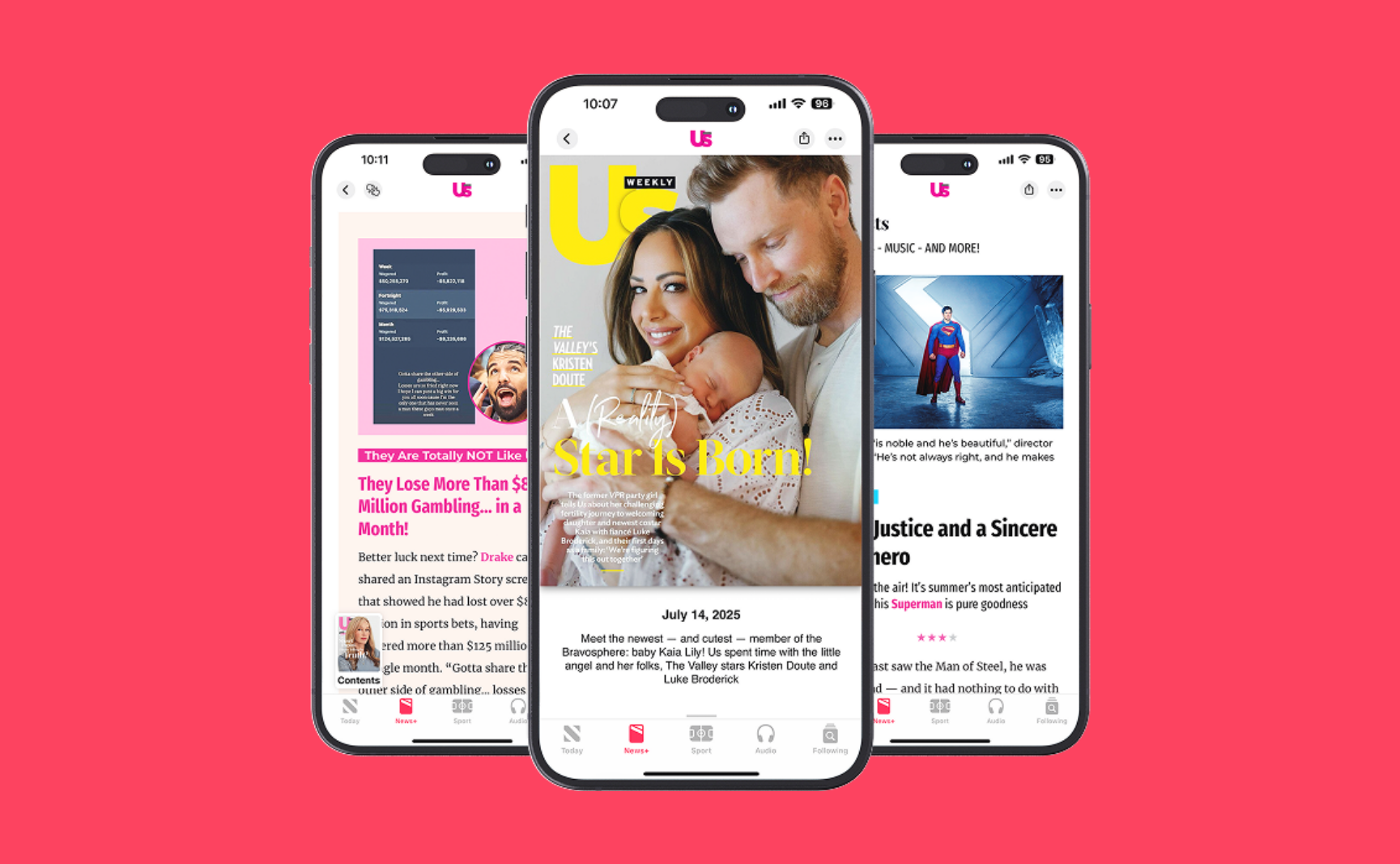
Unlock New Audiences with PageSuite’s Apple News+ Integration
We’re excited to announce that PageSuite now offers a seamless, end-to-end solution for creating Apple News+ editions...
Press Releases
PageSuite Announces Strategic Senior Hires to Elevate Client Success and Product Innovation
We are thrilled to announce the appointments of Charlotte Parker as Director of Client Success and Greg Branson as Strategic Product Lead
Company News
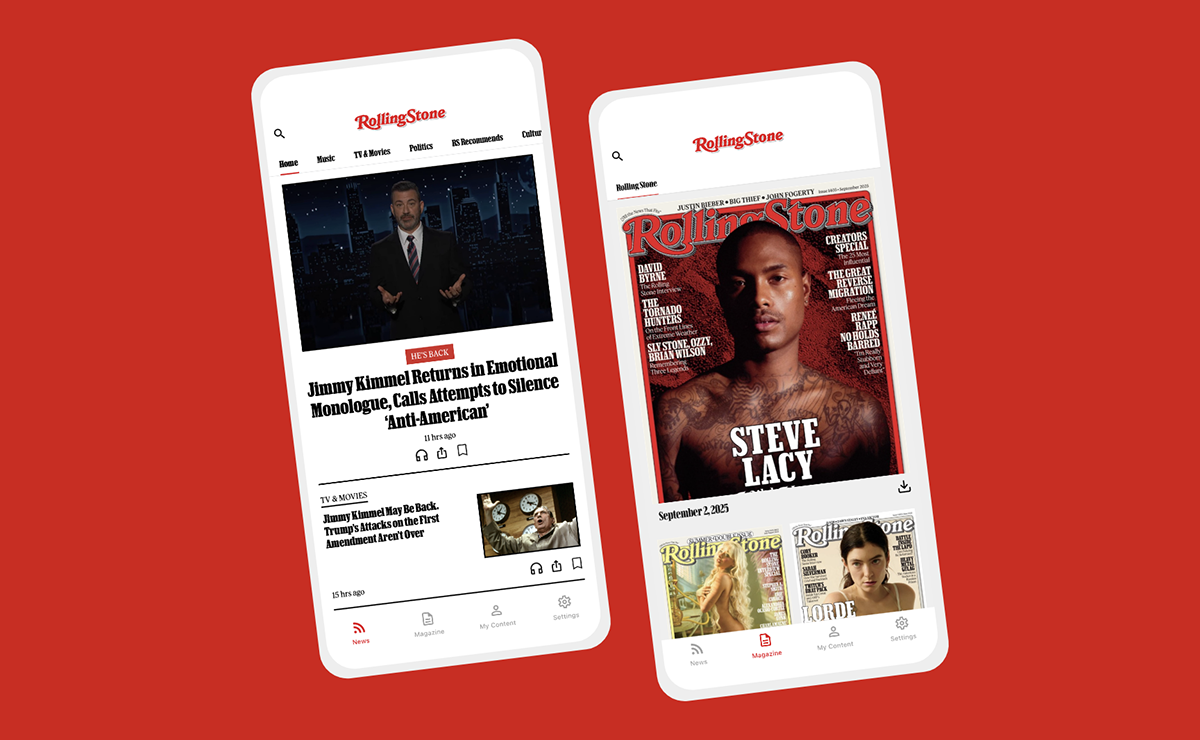
Rolling Stone Launches on PageSuite’s Native App
Penske Media Corporation has been a valued client for a number of years and we’re delighted to provide the app solution for some of their iconic titles. Rolling Stone is the first of Penske’s brands to make the switch, with WWD and Variety set to follow in the coming weeks.