The 2026 Reuters Institute Digital News Report landed with a stat that should make every publisher stop and think: social and video platforms have overtaken news websites and TV as the world’s leading source of news. Across the 48 markets surveyed, 54% of people now get their news via platforms like Facebook, YouTube, TikTok, Instagram and X, compared to 51% who go directly to a news website or app. Five years ago those numbers were reversed, 56% direct versus a much smaller platform share. Among 18 to 24 year olds, more than half now say platforms or AI chatbots are their main way of getting news.
Some may see that as bad news for publishers, and in one sense it is. But buried in the same report is the line that actually matters for anyone running a subscriptions or product strategy: “This stagnation of reader revenue growth in part will reflect the long-term decline in the use of owned news sites and apps, which have lost 12% of reach since 2021, shrinking the top of the subscription funnel.” Reader revenue isn’t stalling because people won’t pay for news. It’s stalling because fewer people are landing on the properties publishers control.
The issue isn’t that owned channels don’t work, it’s that publishers have been letting them shrink while pouring energy into platforms they don’t own, can’t monetise directly, and are now openly losing ground to AI chatbots and answer engines. The report also found that trust in AI-generated answers sits at just 20% globally, and 6% in the UK, versus 37% who trust news generally. Readers aren’t rejecting direct relationships with publishers, they’re rejecting the platform layer that’s been inserted between them and the newsroom.
This is exactly why an owned, branded destination, an eEdition or a mobile app, is worth defending and investing in rather than treating as a legacy format. A few reasons this matters right now:
- It’s the one channel readers actually trust. With platform and AI-chatbot trust scores this low, a publisher’s own app or digital edition is one of the few remaining environments where the reader knows exactly whose journalism they’re looking at, with the full editorial voice, layout and design intact, not an algorithmically summarised fragment.
- It’s measurable and monetisable in a way platform reach isn’t. The report points to publishers now focusing on retention and ARPU optimisation rather than chasing new visitors, because the top of the subscription funnel has narrowed. An eEdition or app gives you first-party data, direct subscriber relationships, and a real handle on engagement, none of which you get from a TikTok view or a Google AI Overview citation.
- It’s a natural home for bundling. The same report flags bundling as a growing tactic to reignite subscription growth. A well-built app or edition experience is the easiest place to bundle print-replica content, exclusive video, newsletters and archive access into a single subscription readers feel is worth paying for. We heard lots about this at the INMA Subscription Summit in Toronto earlier this year.
Markets with strong direct-reader habits are outperforming. Ireland (22%, up 10 points since 2020) and Australia (23%, up 9 points) are among the few markets bucking the stagnation in paid online news, largely on the back of sustained investment in paywalled, direct-to-reader products. The publishers doubling down on owned, subscriber-first products are the ones seeing reader revenue actually move.
For publishers thinking through what this means practically, this is where PageSuite’s eEdition and mobile app products, and the Edition SDK for publishers who want to build their own reading experience on our infrastructure, earn their keep. Whether a publisher wants a fully managed app and edition experience or wants to embed a native reading experience inside their own product using the SDK, the underlying goal is the same one the Reuters data points to: pull readers back onto a channel you own, where trust is highest, engagement is measurable, and bundling and retention strategies actually have somewhere to work.
The platforms aren’t going away, and no publisher should abandon distribution there entirely. But the 2026 data is a clear argument for rebalancing investment towards the channels that build direct, trusted, monetisable relationships with readers. It’s where the growth in reader revenue is actually going to come from next.
Speak to us to see how our eEdition, mobile app and Edition SDK can help you build the owned, trusted reader channel this report says publishers need. Through the PageSuite Agency we can also help you build your own fully custom solution.
Upcoming Events
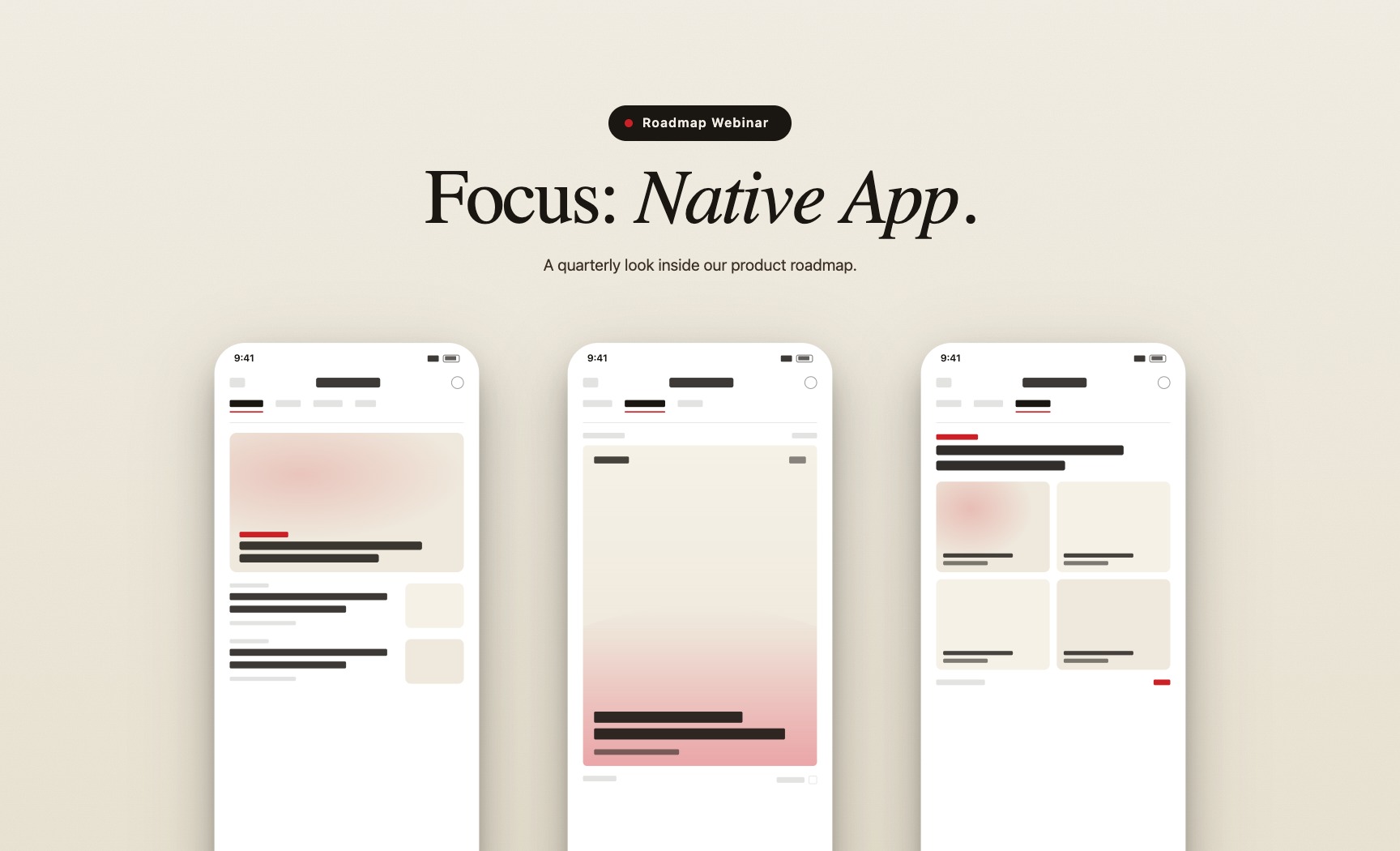
Roadmap Webinar: Native App – What Next?
We're launching a new quarterly webinar series to keep our clients connected to the latest product developments across the PageSuite platform — and we'd love you to join us for the first session.
Press Releases
PRESS RELEASE: PageSuite Launches the PageSuite Agency to Deliver Custom Digital Solutions for Publishers

Industry Insights
Embracing Hyper-Personalisation: The Future of Digital Publishing
Across the publishing industry, we are seeing a surge in interest around how publishers can deliver more tailored, relevant content experiences to their audiences.